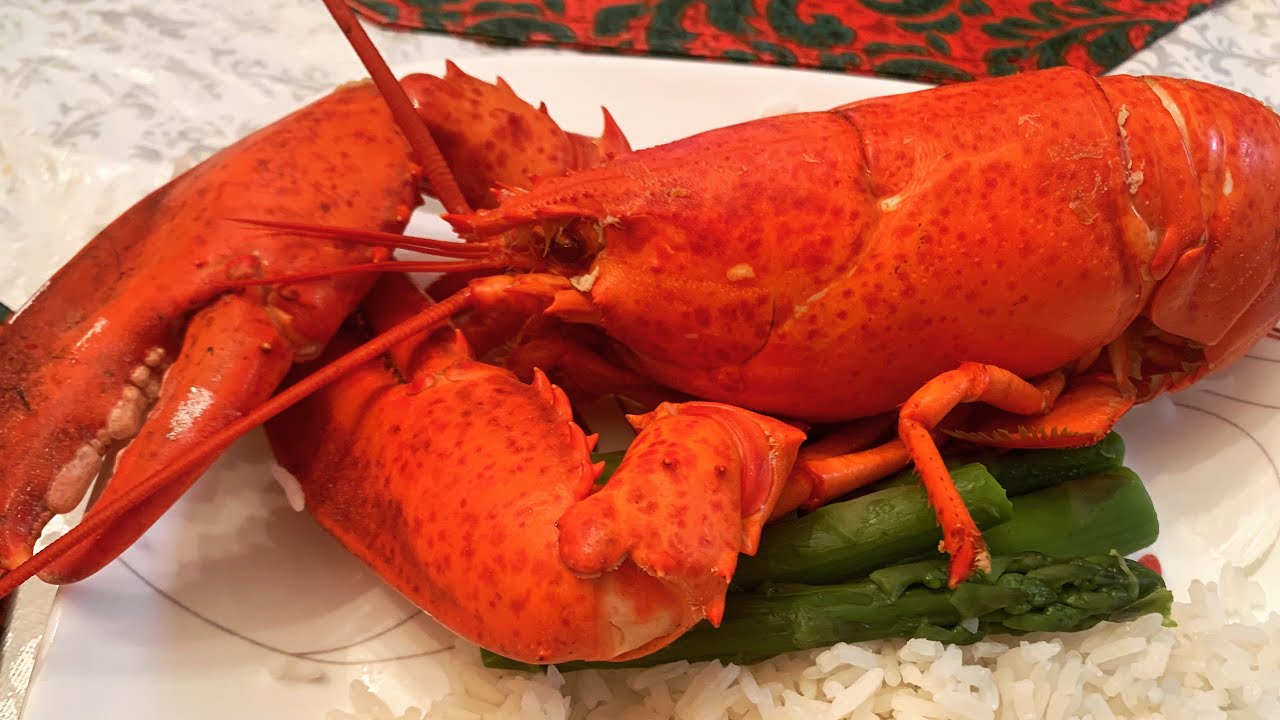
How to Cook Live Lobster at Home: Simple Steps for Perfect Results
Cooking live lobster at home might seem like a daunting task reserved for professional chefs, but we're here to tell you it's incredibly simple, rewarding, and delivers results far superior to pre-cooked or frozen options. Mastering how to cook a lobster ensures you serve up succulent, sweet, and perfectly tender meat every single time. Forget rubbery, overcooked nightmares – with a few straightforward steps and expert tips, you'll be confidently preparing a gourmet feast in your own kitchen. This comprehensive guide will walk you through everything from handling your live crustaceans to achieving that ideal pearly white doneness, guaranteeing a memorable culinary experience.
Before You Dive In: Handling & Storing Live Lobster
The journey to perfect lobster begins even before it touches the pot. Proper handling and storage are crucial for maintaining the lobster's vitality and ensuring the freshest flavor.
Proper Storage for Peak Freshness
If your lobsters arrive before you're ready to cook them, don't just leave them on the counter. Live lobsters thrive in conditions that mimic their cold, moist ocean habitat.
*
Keep them cold: The refrigerator is your best friend. Aim for a temperature around 40°F (4°C).
*
Keep them moist: Place them in a ventilated container – a sturdy paper bag, an open cooler, or even a cardboard box. Cover them with a damp cloth, wet newspaper, or some fresh seaweed if you have it. This prevents them from drying out.
*
Ventilation is key: Do not seal them in an airtight bag or container; they need to breathe.
*
Crucial Don'ts: Absolutely *do not* submerge live lobsters in fresh water or directly on ice. Fresh water can quickly kill them, and direct ice contact can freeze delicate parts, compromising their quality.
Ideally, cook your lobsters within 24-36 hours of receiving them. While they can survive a day or two out of water if kept correctly, their quality and liveliness decline over time, impacting the final taste and texture. The sooner they go from ocean to plate, the better! For more in-depth advice on keeping your crustaceans in top shape, see our guide on
Mastering Live Lobster: Prep, Cook & Store for Best Freshness.
Safe & Humane Handling
Handling a live, potentially feisty creature requires a bit of know-how to protect both you and the lobster.
*
Grip it right: Always pick up a lobster by its body (carapace), just behind the claws. This is the safest way to avoid accidental pinches or stress to the lobster. Avoid grabbing them by the tail or claws, as this can cause injury.
*
Rubber bands are your friend: Most shipped lobsters will have rubber bands securing their claws. *Leave these on* while handling the live lobster for your safety. Some culinary purists argue the rubber can impart a minor taste if boiled with the bands, but for beginners (and even seasoned home cooks), the difference is negligible, and safety is paramount. You can remove them after cooking.
*
Humane preparation: For those concerned about the lobster's well-being, a widely accepted humane practice is to "sedate" the lobster by chilling it. Place the lobster in your freezer for about 15-20 minutes just before cooking. This cold shock numbs its senses, putting it into a sleepy, less reactive state. A sedated lobster will move significantly less when introduced to hot water, making the process smoother and more humane. This also makes it easier to remove the rubber bands if you choose to do so before cooking, as the lobster will be calmer. Learn more about ethical preparation in our article
Cook Live Lobster Humanely: Expert Tips for Tender, Flavorful Meat.
Gathering Your Arsenal: What You’ll Need
Before we discuss how to cook a lobster, let's ensure you have all the necessary tools for a smooth and successful operation.
*
Live Lobster(s): The star of the show! We highly recommend lively, hard-shell Maine lobsters for their sweet, dense meat. A good rule of thumb is 1 to 1½ pounds per adult serving.
*
Large Stockpot: Size matters! An 8-quart pot can comfortably accommodate 1 lobster. For 2-3 lobsters, a 16-quart pot is ideal. The pot must be large enough to fully submerge your lobsters without overcrowding, which can lead to uneven cooking. If you're cooking for a crowd, consider working in batches or using multiple pots.
*
Water: Plenty of it to fill your pot.
*
Salt: Sea salt or kosher salt is best. You want to create a brine similar to seawater, enhancing the lobster's natural flavor. A good ratio is about 2 tablespoons of salt per quart of water (or roughly ½ cup of salt per gallon).
*
Optional but Recommended:
*
Long-handled tongs: For safely adding and removing lobsters.
*
Timer: Crucial for precise cooking.
*
Meat Thermometer: The ultimate tool for verifying doneness, ensuring perfection and preventing rubbery meat.
Mastering the Methods: Boiling vs. Steaming
When it comes to how to cook a lobster, the two most popular and effective methods are boiling and steaming. Both yield delicious results, but subtle differences in texture and flavor might guide your choice.
The Classic Boil Method
Boiling is arguably the most common and quickest way to cook a lobster, imparting a robust, briny flavor directly into the meat.
1.
Prepare the Brine: Fill your large stockpot with water, leaving enough room for the lobsters without overflowing. Add your sea salt or kosher salt – remember, about 2 tablespoons per quart of water.
2.
Bring to a Rolling Boil: Place the pot on high heat and bring the salted water to a vigorous, rolling boil.
3.
Introduce the Lobsters: If you've sedated your lobsters in the freezer, carefully grasp them by the carapace and plunge them headfirst into the boiling water. Ensure they are fully submerged.
4.
Cover and Re-Boil: Cover the pot tightly and wait for the water to return to a rolling boil.
5.
Start the Timer: *Once the water is boiling vigorously again,* begin your cooking time. Here's a general guide for hard-shell lobsters:
*
1 lb lobster: 8-10 minutes
*
1.25-1.5 lb lobster: 10-12 minutes
*
2 lb lobster: 12-15 minutes
* Add 2-3 minutes for each additional pound.
6.
Check for Doneness: The shell will turn a vibrant red. Most importantly, the meat should be opaque and pearly white throughout. For absolute certainty, use a meat thermometer inserted into the thickest part of the tail meat – it should read 145°F (63°C).
The Gentle Steam Method
Steaming cooks lobster more gently, preserving its natural juices and offering a slightly more tender texture with a delicate flavor profile.
1.
Set Up the Steamer: Pour about 2-3 inches of salted water (using the same salt ratio) into your large stockpot. You don't need to submerge the lobster in the water, only create steam.
2.
Bring to a Boil: Cover the pot and bring the water to a rapid boil.
3.
Place Lobsters in Basket: Carefully place your sedated lobsters (one by one, avoiding overcrowding) into a steamer basket or directly onto a rack above the boiling water.
4.
Cover Tightly and Steam: Cover the pot tightly again.
5.
Start the Timer: *Start your timer immediately* after covering the pot, as the steam begins to cook the lobster right away. Steaming generally takes slightly longer than boiling:
*
1 lb lobster: 10-12 minutes
*
1.25-1.5 lb lobster: 12-14 minutes
*
2 lb lobster: 15-18 minutes
* Add 3-4 minutes for each additional pound.
6.
Check for Doneness: Similar to boiling, look for a bright red shell and pearly, opaque meat. Confirm with a meat thermometer reading 145°F (63°C) in the thickest part of the tail.
Ensuring Perfection: Doneness & Troubleshooting
The difference between a perfect, tender lobster and a rubbery disappointment often comes down to precise doneness.
The Doneness Test: Visuals & Temperature
Several indicators will tell you your lobster is ready:
*
Shell Color: The most obvious sign is the shell turning a brilliant, fiery red.
*
Meat Opacity: Inside, the meat should be entirely opaque and pearly white, without any translucent or greyish spots. This is the ultimate visual cue.
*
Internal Temperature: For guaranteed safety and perfect texture, insert an instant-read meat thermometer into the thickest part of the tail meat (avoiding the shell). The USDA recommends seafood is safe at 145°F (63°C). This is your golden number for tender, never-rubbery lobster.
*
Tail Curl: A tightly curled tail is a good indicator, but not always definitive on its own.
Common Pitfalls & How to Avoid Them
Knowing how to cook a lobster means also knowing what *not* to do.
*
Overcooking: The Arch Nemesis! This is the most common mistake and the primary cause of rubbery, dry lobster meat. Always use a timer, and more importantly, always confirm with a meat thermometer. A minute or two too long can make all the difference.
*
Undercooking: If your lobster meat is still translucent or gelatinous, it's not done. Don't hesitate to put it back in the pot for a few more minutes until it reaches 145°F.
*
High Altitude Adjustments: If you live at a higher elevation, remember that water boils at a lower temperature (approximately 1°F less for every 500 feet of elevation gain). This means moist-heat cooking methods like boiling and steaming will take longer. Again, a meat thermometer becomes even more indispensable here to verify true doneness.
*
Overcrowding the Pot: Stuffing too many lobsters into a pot lowers the water temperature too dramatically and prevents even cooking. If needed, cook in batches to maintain a consistent boil or steam.
Your Perfect Lobster Awaits!
Congratulations, you've successfully learned how to cook a lobster at home! Carefully remove your perfectly cooked lobsters from the pot using tongs. Let them rest for a few minutes before cracking them open. Serve immediately with melted drawn butter, a squeeze of fresh lemon, and perhaps some corn on the cob or a fresh salad. Whether you choose to enjoy the sweet meat straight from the shell or incorporate it into a decadent lobster roll, your homemade creation will undoubtedly impress.
Cooking live lobster is not just about following a recipe; it's about understanding the science and respecting the ingredient. With these simple steps, a little patience, and the right tools, you'll discover that preparing perfect, tender, and incredibly flavorful lobster at home is not only achievable but also immensely satisfying. Enjoy your exquisite seafood feast!