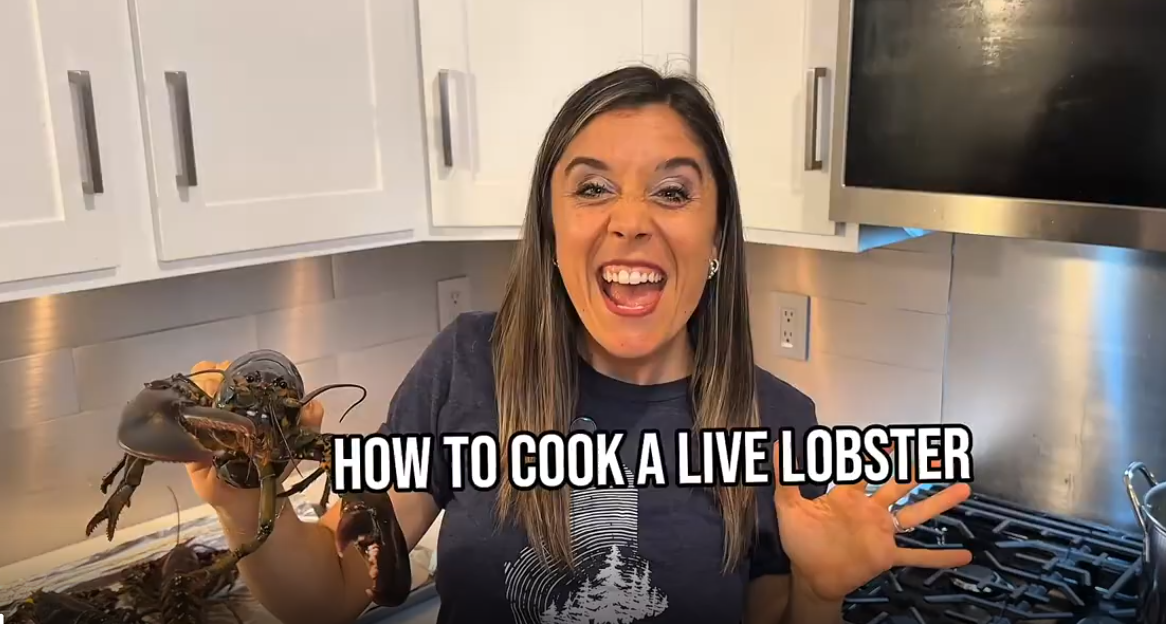
The thought of cooking live lobster at home can be intimidating for many, conjuring images of culinary complexity. However, with the right knowledge and a few simple techniques, mastering the art of preparing, cooking, and storing live lobster for peak freshness is far easier than you might imagine. This comprehensive guide will walk you through every step, ensuring your homemade lobster feast is nothing short of spectacular, delivering tender, succulent meat every time. Let's demystify how to cook a lobster and transform your kitchen into a gourmet seafood haven.
The Art of Handling and Storing Live Lobster for Optimal Freshness
The journey to an exquisite lobster meal begins long before the pot hits the stove. Proper handling and storage of live lobsters are paramount to preserving their vitality and, consequently, the flavor and texture of their meat. Remember, the fresher the lobster, the better the taste.
Pre-Cooking Storage: Keeping Your Lobster Lively
If you're not planning to cook your lobsters immediately upon arrival, appropriate storage is crucial. The goal is to replicate their natural cool, moist, and dark ocean environment as closely as possible. Here’s what you need to know:
- Keep Them Cold: Lobsters thrive at temperatures around 40°F (4°C). The best place for them is in your refrigerator, ideally in the crisper drawer or on a bottom shelf.
- Maintain Moisture: Cover them with a damp cloth, wet newspaper, or even some seaweed if you have it. This keeps their gills moist, allowing them to breathe.
- Ensure Ventilation: Store them in a ventilated container, like a sturdy paper bag, a cardboard box, or a cooler (without ice or water). Never seal them in an airtight bag, as they need oxygen.
- Avoid Fresh Water & Direct Ice: This is critical! Fresh water will kill a lobster, and direct ice can freeze them, damaging the meat. Lobsters are saltwater creatures; fresh water is toxic to them.
- Time is of the Essence: For the absolute best freshness and flavor, plan to cook your lobsters within 24-36 hours of receiving them. While they can survive a bit longer if properly stored, their quality starts to decline after a couple of days.
Safe and Humane Handling Practices
Handling a live lobster might seem daunting, but it's straightforward once you know the technique. Always grasp the lobster firmly by its body (carapace), just behind the claws. Avoid picking them up by the tail or claws, as this can injure both the lobster and yourself. Most lobsters shipped to homes will arrive with rubber bands on their claws, which is a blessing for safety. Leave these bands on while handling the live lobster.
For those concerned about humane preparation, a widely recommended method is "sedating" the lobster. Place your lobster in the freezer for about 15-20 minutes just before cooking. This chilling process numbs its senses, putting it into a sleep-like state. A sedated lobster will move significantly less when introduced to hot water, making the process less stressful for both the lobster and the cook. It also makes it much easier to remove the rubber bands if you choose to do so before cooking. While the debate around crustacean pain continues, a quick freezer nap followed by swift cooking is generally considered the most humane approach. For more detailed insights into this aspect, consider reading our guide on Cook Live Lobster Humanely: Expert Tips for Tender, Flavorful Meat.
Essential Equipment and Pre-Cooking Setup
Before you dive into cooking, having the right tools and a well-prepared station will make the process seamless and enjoyable. Preparing delicious lobster is all about readiness!
Your Culinary Arsenal
- Live Lobster(s): The fresher and livelier, the better! A good rule of thumb is 1 to 1½ pounds per adult serving.
- Large Stockpot: Choose a pot large enough to fully submerge your lobsters without overcrowding. An 8-quart pot is usually sufficient for one 1½-pound lobster, while a 16-quart pot can comfortably handle 2-3 lobsters. If cooking a larger quantity, cook in batches or use multiple pots.
- Plenty of Water: Essential for both boiling and steaming.
- Sea Salt or Kosher Salt: Crucial for seasoning the cooking water. Aim for a brine similar to seawater – about 2 tablespoons of salt per quart of water (roughly ½ cup per gallon). This infuses the lobster meat with flavor, preventing it from tasting bland.
- Long Tongs: For safe handling of cooked lobsters.
- Kitchen Timer: Precision is key to avoiding overcooked, rubbery lobster.
- Instant-Read Meat Thermometer: The ultimate tool for verifying doneness, ensuring perfectly cooked lobster every time.
- Large Bowl with Ice Water (Optional): If you plan to chill the lobster quickly after cooking to stop the cooking process, or to serve cold.
The Pre-Cooking Ritual
With your equipment ready, ensure your lobsters are prepared for their final bath. After their "freezer nap," you can choose to remove the rubber bands from their claws. Some chefs suggest this prevents any rubber taste from leaching into the meat, though for beginners, leaving them on offers an added layer of safety. The difference in taste is generally considered minor, and safety often outweighs this slight culinary nuance.
If boiling, fill your large stockpot with water, adding salt at the recommended ratio. Bring the water to a rolling boil. For steaming, add a few inches of salted water to the pot and bring it to a boil, then place a steamer rack above the water line.
The Main Event: Cooking Your Lobster to Perfection
Now for the exciting part! There are two primary methods for how to cook a lobster: boiling and steaming. Both yield delicious results, with subtle differences in texture and flavor.
Boiling vs. Steaming: Choosing Your Method
Boiling: This is often the quickest and most common method. Lobsters are fully submerged in rapidly boiling salted water. The advantages are speed and even cooking. The downside is that some delicate flavors can leach into the water.
Steaming: Involves cooking the lobster above a shallow amount of boiling salted water. Steaming is gentler, which many believe preserves more of the lobster's natural flavor and nutrients. It often results in a slightly more tender texture.
Cooking Times and Verifying Doneness
Regardless of the method, cooking time is determined by the lobster's weight. Overcooking is the cardinal sin of lobster preparation, leading to rubbery, unappetizing meat. Always use a timer and, most importantly, a thermometer.
General Cooking Times (for 1 to 1½ pound lobsters):
- Boiling: Bring water to a vigorous boil. Carefully place the lobster headfirst into the pot. Once the water returns to a boil, begin timing.
- 1 lb lobster: 8-10 minutes
- 1.25 lb lobster: 10-12 minutes
- 1.5 lb lobster: 12-14 minutes
- Add approximately 2-3 minutes for each additional pound.
- Steaming: Bring about 2-3 inches of salted water to a boil in your pot with a steamer rack. Place lobsters on the rack, cover tightly, and steam.
- 1 lb lobster: 10-12 minutes
- 1.25 lb lobster: 12-14 minutes
- 1.5 lb lobster: 14-16 minutes
- Add approximately 3-4 minutes for each additional pound.
The Golden Rule: Use a Thermometer! The U.S. Food and Drug Administration (FDA) recommends cooking seafood to an internal temperature of 145°F (63°C). Insert an instant-read thermometer into the thickest part of the tail meat where it meets the body, avoiding the shell. The meat should be pearly white and opaque throughout, with no translucent or gelatinous areas.
Elevation Adjustment: If you live at a higher altitude, keep in mind that the boiling point of water decreases by approximately 1°F for every 500 feet of elevation. This means moist-heat cooking methods like boiling and steaming will take slightly longer. Always confirm doneness with a thermometer, as visual cues can sometimes be misleading.
For a step-by-step visual guide on How to Cook Live Lobster at Home: Simple Steps for Perfect Results, check out our detailed article.
Achieving Culinary Excellence: Tips for Tender, Flavorful Lobster
Beyond the basic steps, a few expert tips can elevate your lobster-cooking game from good to extraordinary.
- Don't Overcrowd the Pot: Giving lobsters enough space ensures even cooking. Overcrowding drops the water temperature too quickly and can lead to unevenly cooked or rubbery meat.
- Salt the Water Generously: This isn't just for flavor; it helps season the meat from the inside out, similar to brining. The salt also helps keep the meat firm.
- Mind the Bands: If you cooked with rubber bands on, remove them carefully with tongs or kitchen shears immediately after cooking.
- Immediate Enjoyment: Lobster is best enjoyed fresh out of the pot. Serve it hot with melted butter (clarified butter is a classic choice), lemon wedges, and perhaps a sprinkle of fresh parsley.
- Crack with Care: Use a lobster cracker and a seafood fork to extract every delicious morsel from the tail, claws, and knuckle meat.
Conclusion
Cooking live lobster at home is a rewarding experience that’s much more approachable than it appears. By following these guidelines for proper handling, humane preparation, precise cooking methods, and verifying doneness, you'll consistently achieve tender, flavorful lobster that rivals any restaurant. So, next time you're wondering how to cook a lobster, embrace the challenge with confidence. You're now equipped with the knowledge to create an unforgettable seafood feast right in your own kitchen.
